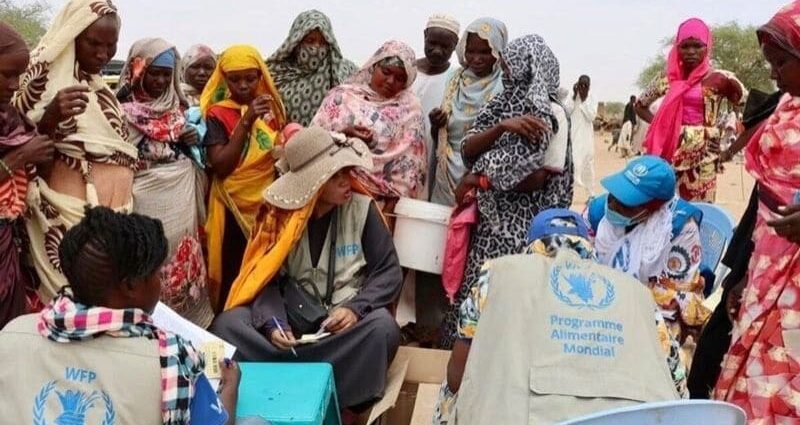
Sudan, September 11, (Darfur24)
The head of the World Food Programme’s communications department, Leni Kinsley, told Darfur24 that approximately 3.6 million children under five, along with pregnant and breastfeeding women, suffer severe malnutrition and require immediate intervention.
In an exclusive interview, Kinsley said that El Fasher, Kadugli, and Dilling are the most affected areas due to sieges and difficult humanitarian access.
Below is a summary of the edited content.
Q: What is the scale and impact of the current conflict on the civilian population in Sudan?
A: The war has turned Sudan into the largest hunger crisis in the world and has sharply increased the vulnerability of civilians. In addition, food security has deteriorated significantly.
Q: What are the most pressing humanitarian needs now?
A: Food, treatment, and prevention of malnutrition. Therefore, the program requires sustained and urgent humanitarian access to all areas of need in Sudan.
Q: How many people are affected, displaced/refugees?
A: According to our latest data, approximately 24–25 million people are severely food insecure. There are approximately 10 million internally displaced persons since the beginning of the crisis.
Q: What are the challenges in delivering aid?
A: Security barriers (attacks on humanitarian convoys and facilities), roads blocked by seasonal rains, administrative restrictions/intermittent permits, and a lack of funding that forces us to reduce or delay relief operations.
Q: What is the role of local and international organizations and what are their challenges?
A: National and international organizations are partners in the implementation of distribution, monitoring, and community access, but they face security risks.
Q: What is the impact of the crisis on the most vulnerable groups?
A: Pregnant and lactating women, children under five, the elderly, and people with disabilities are most at risk of dying from starvation or malnutrition-related illnesses. Approximately 3.6 million children under five and pregnant and lactating women suffer from severe forms of malnutrition across Sudan. These are alarming figures and require immediate therapeutic and preventive interventions.
Q: What is the role of the international community?
A: The international community is providing funding and warnings, diplomatic and logistical support, but current funding does not keep pace with the need. We need emergency and flexible funding to ensure humanitarian access.
Q: What is the level of food insecurity and the number of hungry people?
A: Approximately 24.6 million people are severely food insecure (IPC 3+). Around 638,000 are facing famine/catastrophe levels (IPC 5) at specific points mainly due to the armed conflict (blockades and displacement), disruption of supply chains, and insufficient humanitarian funding.
Q: Which are the most affected areas?
A: Darfur, especially El Fasher, South Kordofan (Kadugli and Dilling), and many areas under blockade or difficult to access.
Q: What types of food assistance are provided and its challenges?
A: In-kind food distributions, digital cash transfers (mobile cash transfers) to support local markets, vouchers/local purchasing rules, therapeutic food commodities for children and pregnant women (RUSF, etc.), and emergency food packages for families. The main challenges include a lack of secure access, limited stocks due to shortages, funding and logistical constraints during the rainy season.
Q: What are the specialized nutritional interventions?
A: Treatment of acute malnutrition (resource-based therapeutic feeding facilities, RUTF), nutritional support for mothers, school feeding programs where possible, and prevention activities such as supporting food supply chains and increasing local crop production.
Q: With the challenges that you have highlighted, what does the immediate future look like?
A: If the lack of access and funding continues, the situation will deteriorate: rising malnutrition and mortality rates, increased displacement, and pressure on host communities. Conversely, with emergency funding, a temporary cessation of hostilities, and the establishment of stable humanitarian corridors, supply lines can be stabilized, lives saved, and recovery can begin.